Find out how yoga and strength training can help pole dancers reach their objectives faster.
Have you ever heard of cross-training? Those who have practiced pole dance know that it involves a wide range of skills such as strength, flexibility, and endurance. Despite being so complete on its own, it is sometimes great to mix it with other disciplines.
By doing this, you may:
- broaden your hobbies: picking up a new one is always fun,
- reach your pole dance objectives faster,
- gain more insight into your body by exercising it from a different perspective,
- rest from pole dancing while continuing to exercise – for example, if your elbows or wrists are sore, you can do something which is less intense on the arms.
Let’s learn about two ideas for pole dancers who want to add a new set of exercises to their routine. Discover the possibilities of cross-training.
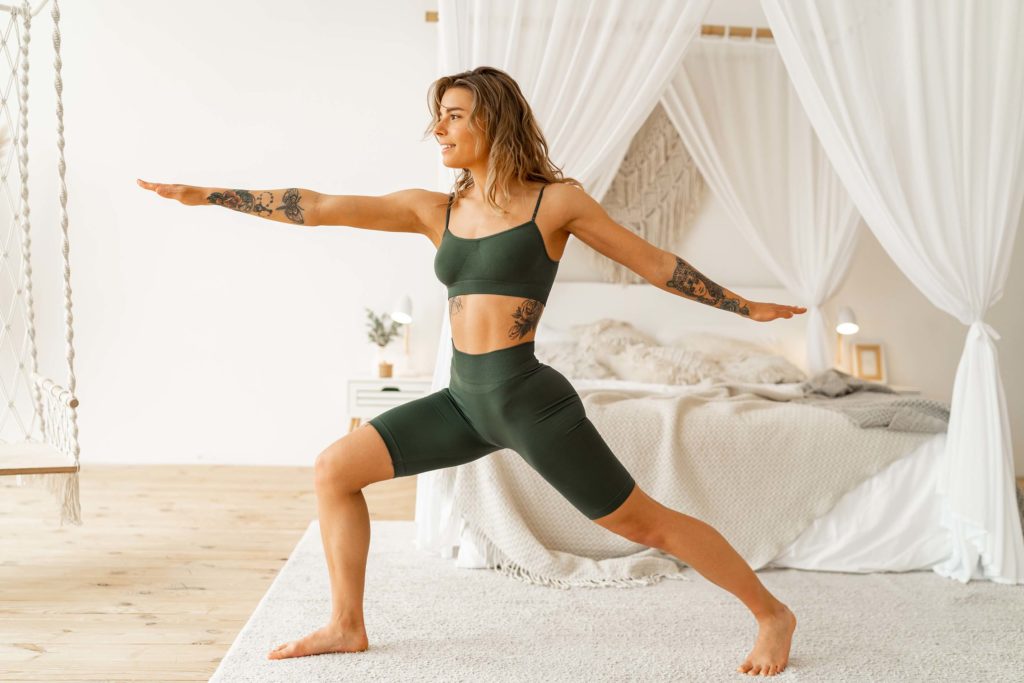
Yoga for pole dancing
This won’t come as a surprise to anyone, since many pole dance studios around the world offer some variant of yoga in their schedules.
Yoga was initiated in ancient India and although it has a heavy mental and spiritual component, it is largely known for its physical practice, which consists mostly of the postures known as asanas. Just like we explained with pole dance (link to article), there are many types of yoga. Some focus on maintaining asanas for a long time, others prefer a rapid flow between each posture.
Apart from being a very interesting exercise on its own, there are many ways in which regular yoga practice can help pole dancers improve.
- Firstly, yoga teaches you how to breathe, which is very relevant for most sports — pole dance being no exception. On many occasions, you can find yourself holding your breath in the middle of a combination of tricks. And this can cause your muscles to get tighter than they should and your stamina to be reduced. Not to mention that your balance (both physical and mental) will improve with yoga. And this will absolutely come in handy for pole tricks like handsprings.
- It will also improve your flexibility, even on those parts of the body that maybe you didn’t even realize at first were relevant for pole dancing.
Cross-training – what do you need flexibility for?
- Back and hamstring flexibility are the obvious winners since those will be helpful for moves like cocoon or jade. But hip opening and elbow flexibility are also important — think of ballerina or cupid. Additionally, yoga will guide you to generally improve your posture, which will be useful when pole dancing. Why? Because figures will look cleaner with much less effort!
- Your strength will also improve thanks to the yoga practice, those chaturangas and planks will definitely tone your arms and core. As you have probably noticed, many pole dance moves, like a ballerina, have an analogue on the yoga mat. A yogini is basically a bow pose, but up the pole! Inversions are also part of both yoga and pole dance… and the list goes on to show that the two disciplines are very related.
Another advantage of yoga is that it requires minimal gear: in most cases only a mat, although additional elements like a yoga brick or belt can also be used. For those who prefer a home pole workout, the good news is that yoga can also be practiced from the comfort of your own home.
Strength training for pole dancing
What are other possibilities of cross-training? As you have surely noticed, pole dancers are strong people. The upper body and core strength that it takes to lift your body weight on the pole are amazing. Of course, you can always have fun pole dancing, even as a beginner without strength, but if you want to take your pole choreographies to the next level, you will want to become stronger.
Even if the strength can be developed just by practicing on the pole since conditioning is always a part of a pole routine, some people prefer to dedicate separate days at the gym and follow a strength routine, both bodyweight and with weights.
Technique and regular practice are very important, but as your skills of pole dancing improve, and you learn new and more complex tricks, having gained the strength required to perform them beforehand will be a big advantage.
Developing your upper body and your core strength will be useful for most pole dancing choreographies. You will also benefit from building muscle in your lower body, many moves like layback require grabbing the pole tightly with your legs. If you are a beginner, you can start with the basics like bodyweight exercises or with little added weight, and don’t get intimidated by more advanced people at the gym!
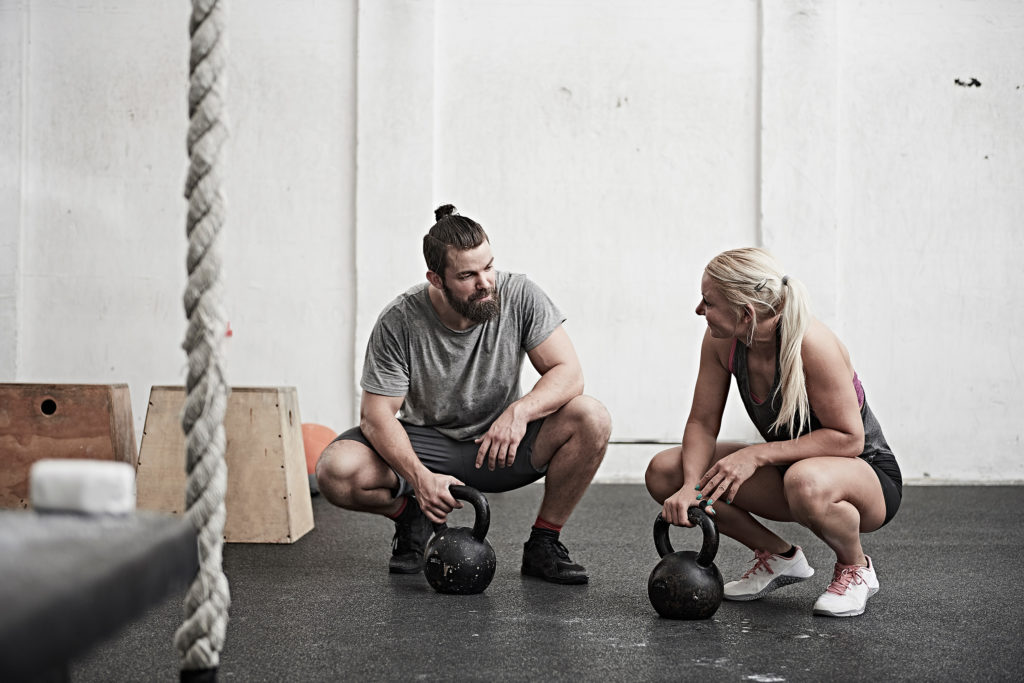
Cross-training, mobility, strength training – these are great workouts!
Think of including mobility exercises in your workouts, these are very important for maintaining a good range of motion and control over your body’s flexibility. Both of these are very relevant when pole dancing. Finally, good rest is crucial for strength training, so make sure to leave time between sessions and get proper sleep.
If you are new to the gym, do not forget to contact a physician and a personal trainer to make the most of your routine safely! They will teach you which exercises are appropriate for you and how to correctly perform each of them. This is particularly important if you have any previous injuries.
We have given some ideas for pole dancers who want to add a new discipline to their routine. There are plenty of other options, for example, many polers enjoy contemporary dance, rock climbing, skating, or aerial disciplines like silks or a hoop. How do you complete your pole dance routine? Let us know in the comments!
Do not forget to subscribe to the newsletter if you want to read more articles about pole.